A new plan for rapid public transit is driving interest among Orange County leadership.
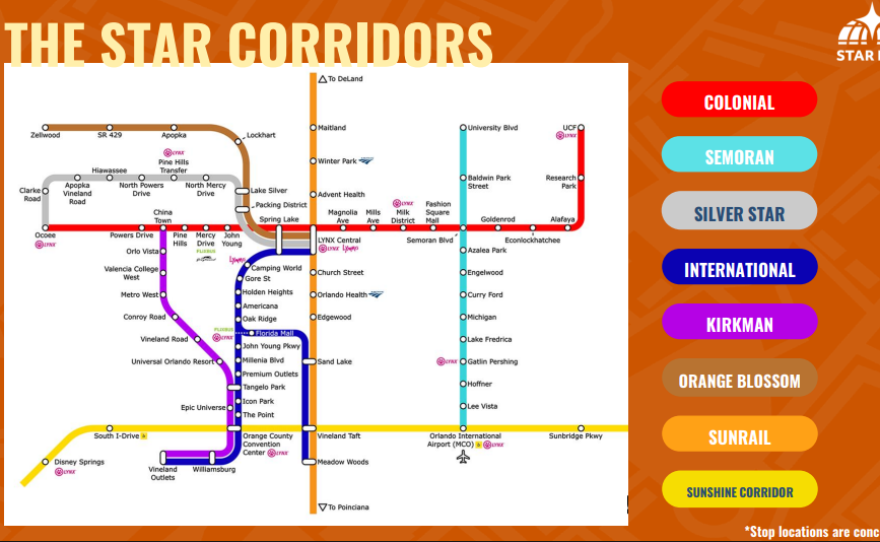
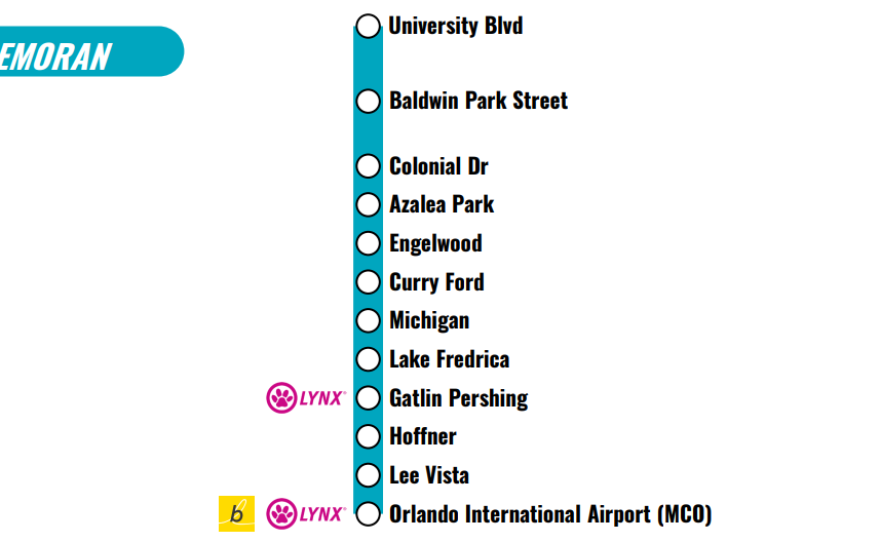
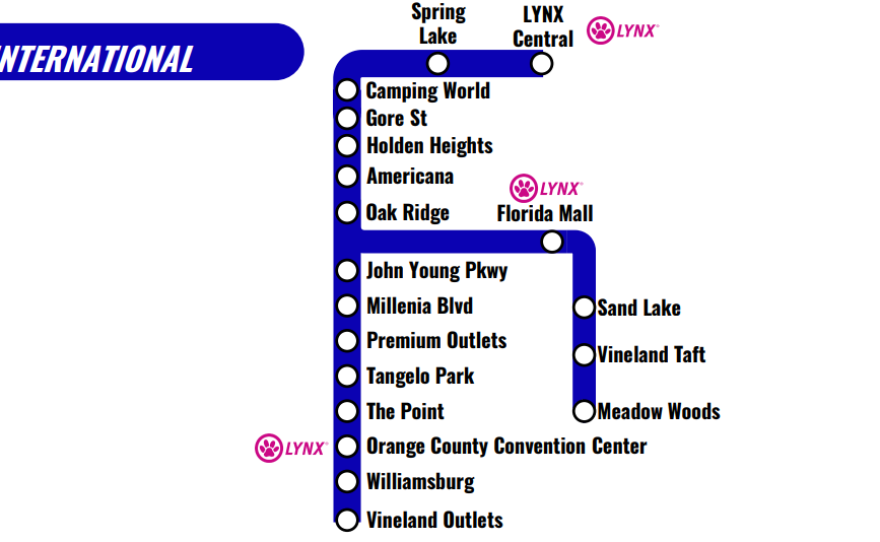
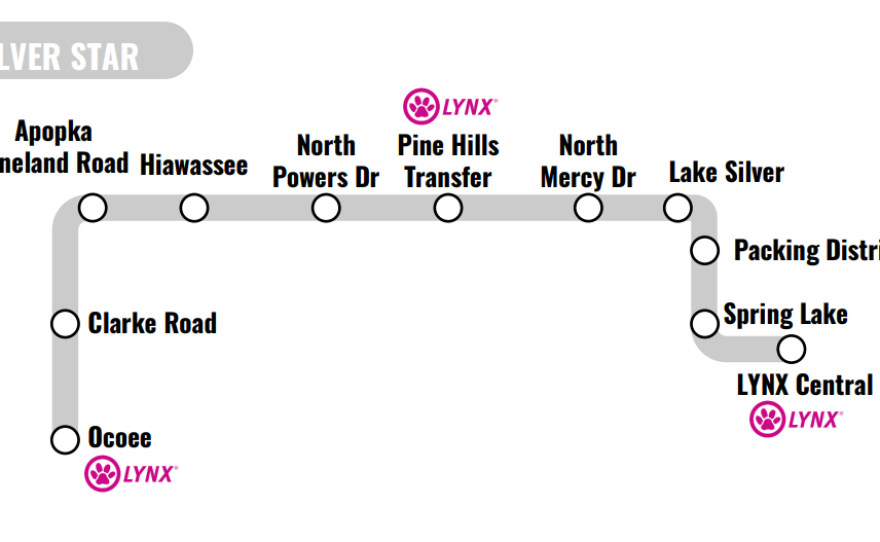
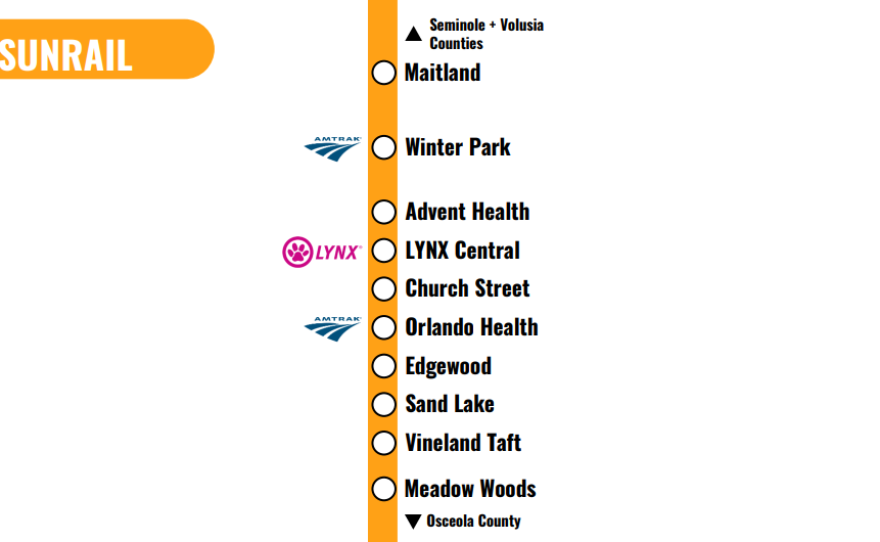
On Tuesday, Orange County commissioners discussed a plan to connect eight different parts of the county. The STAR Plan (or Sunshine Transit Advancement Resolution) would create eight corridors linked through public transportation such as a rapid bus line, light rail and heavy rail.
“We have no choice but to drive anywhere. We really truly have become ‘Carlando,’” said District 5 Commissioner Kelly Martinez Semrad, who had placed the topic on Tuesday’s agenda.
Mayor Jerry Demings and the other commissioners reached a general consensus to undertake a study of the STAR Plan. They chose to wait before voting to approve a feasibility study until they know the cost of that study.
READ ALSO: Orange County Commission to consider STAR Plan for mass transit
“There is no question, in my humble opinion, that this county has got to get after a multimodal transit system,” Demings said. “And it's costly, and it's getting more and more costly every day.”
Where did STAR come from?
The STAR Plan was presented by the youth-led community advocacy organization Sunrise Movement Orlando. The plan is based on Miami-Dade's SMART Plan and would rely in part on tax increment financing. TIF captures the increase in tax revenue within a special district from increased property values due to improvements there.
The plan has been in development for the last two years. Members of the Sunrise Movement approached Martinez Semrad with the idea at a District 5 neighborhood advisory council. It’s been presented at eight town halls and has received input from many Orange County residents.
During Tuesday's meeting, Ramón Pereira Bonilla, a Sunrise Movement member, presented 3,200 signed petitions from Orange County residents.

“They want this STAR plan, and they also know exactly who to blame if they don't get it, Bonilla said. Commissioners, I'm just asking you to please, please follow the will of the people.”
Several community and political leaders have also given the plan their approval, including Orlando Democrats U.S. Rep. Maxwell Frost, State Sen. Carlos Guillermo Smith, and State Rep. Anna Eskamani.
“This is going to get us into a good posture to see what our other options are, and to really just get the momentum to find the funding to increase our bus system and our SunRail system to create an environment where you don't always have to have a car,” Eskamani said during Tuesday’s meeting.
How would Orange pay for it?
STAR’s financial framework has three parts. The first is a trust fund used for studies, operations, and infrastructure for train and bus improvements.
The second would include a citizens board, which would decide where the trust fund money is invested. However, Demings said that idea was “inconsistent” with Florida law.
“If the county establishes some type of dedicated funding source, especially if it's some type of taxation, the decision-making body has to be the Board of County Commission,” he said.

The third financial plan would be to set up a transportation infrastructure improvement district, said Giancarlo Rodriguez, a member of the Sunrise Movement Orlando group. He presented the STAR Plan on Tuesday.
“This would be a district within a one-mile to half-mile radius around the STAR corridors, with special policies to encourage transit and development, which include zoning,” he said.
Rodriguez also said the district could use the TIF to “capture a slice of increase in property tax revenue over time.”
“This is a method that Miami did implement, and they were projected to raise 4.1 billion over 29 years. It's a lot of money that could definitely deliver for the people of Orange County.”
Moving forward
There are a number of questions that need to be answered by a feasibility study.
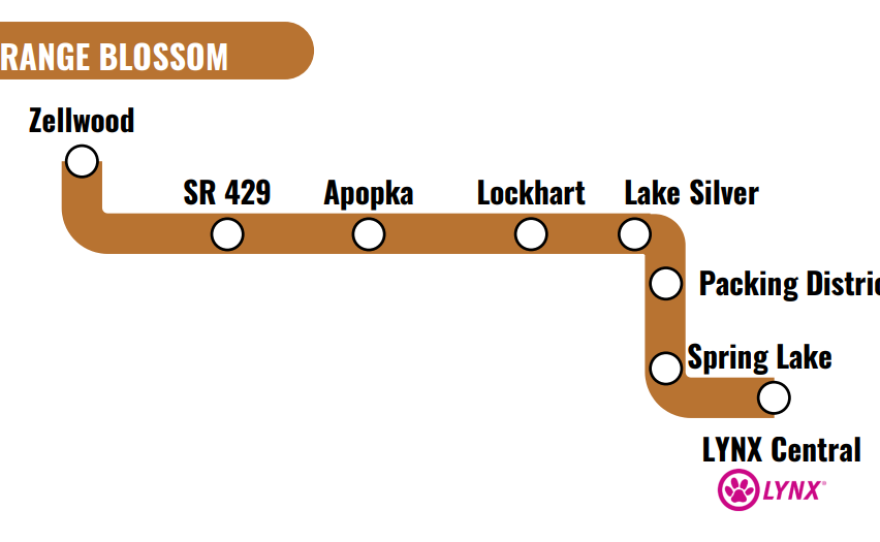
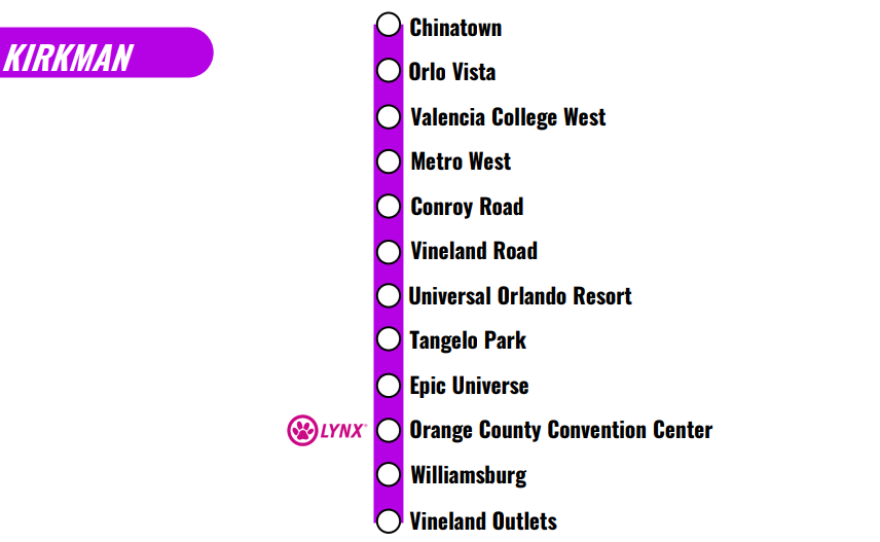
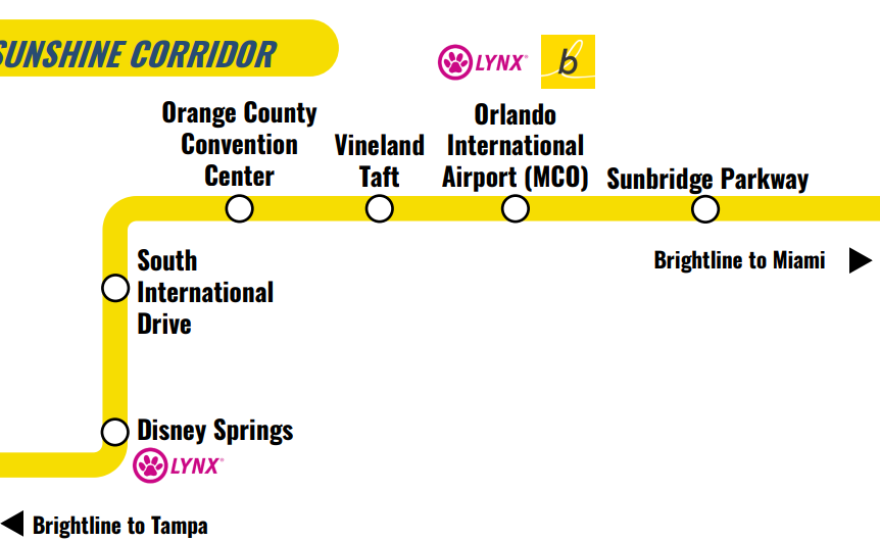
The eight corridors' modes of transportation have not been determined yet. The corridors include: Colonial, Semoran, Silver Star, International, Kirkman, Orange Blossom, Sunrail, and the Sunshine Corridor.

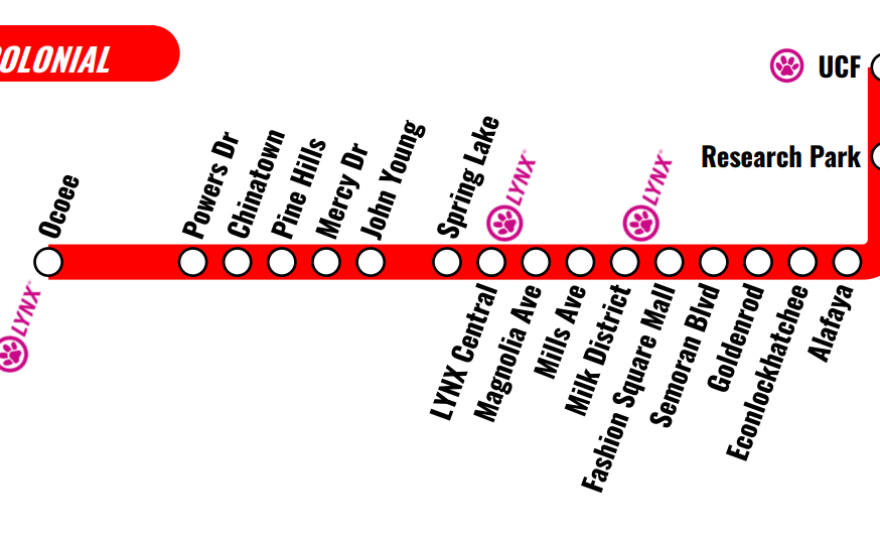
One of the more notable is the Colonial Corridor.
“The Colonial Line would be that east-west connection that we're missing sorely in Orlando,” Rodriguez said.
It would bring together the University of Central Florida and the city of Ocoee, while cutting through Downtown Orlando.
The best way to connect those areas has not been decided. It could be a train or a rapid bus line that has its own lane, doesn't stop at red lights, and arrives at stops every 15 minutes.
Next Steps
While commissioners agreed that the plan deserves to be studied, they held back on a vote for a feasibility study, as they wait to hear how much a study might cost. The board will need to consider the necessary budget action in January, following the seating of the new members.

Commissioners said they might be able to save some money by using some preexisting transportation and infrastructure data.
Martinez Semrad emphasized that time is of the essence, hoping to get the study out sooner rather than later, and said that Orange County’s overreliance on automobiles is costly and contributing to the affordability crisis.
“We know the perfect storm is aligning. It's going to continue to rely on the most expensive form of transit. We're going to continue to have expensive housing, jobs that are limited in terms of access, limited opportunity,” she said.